

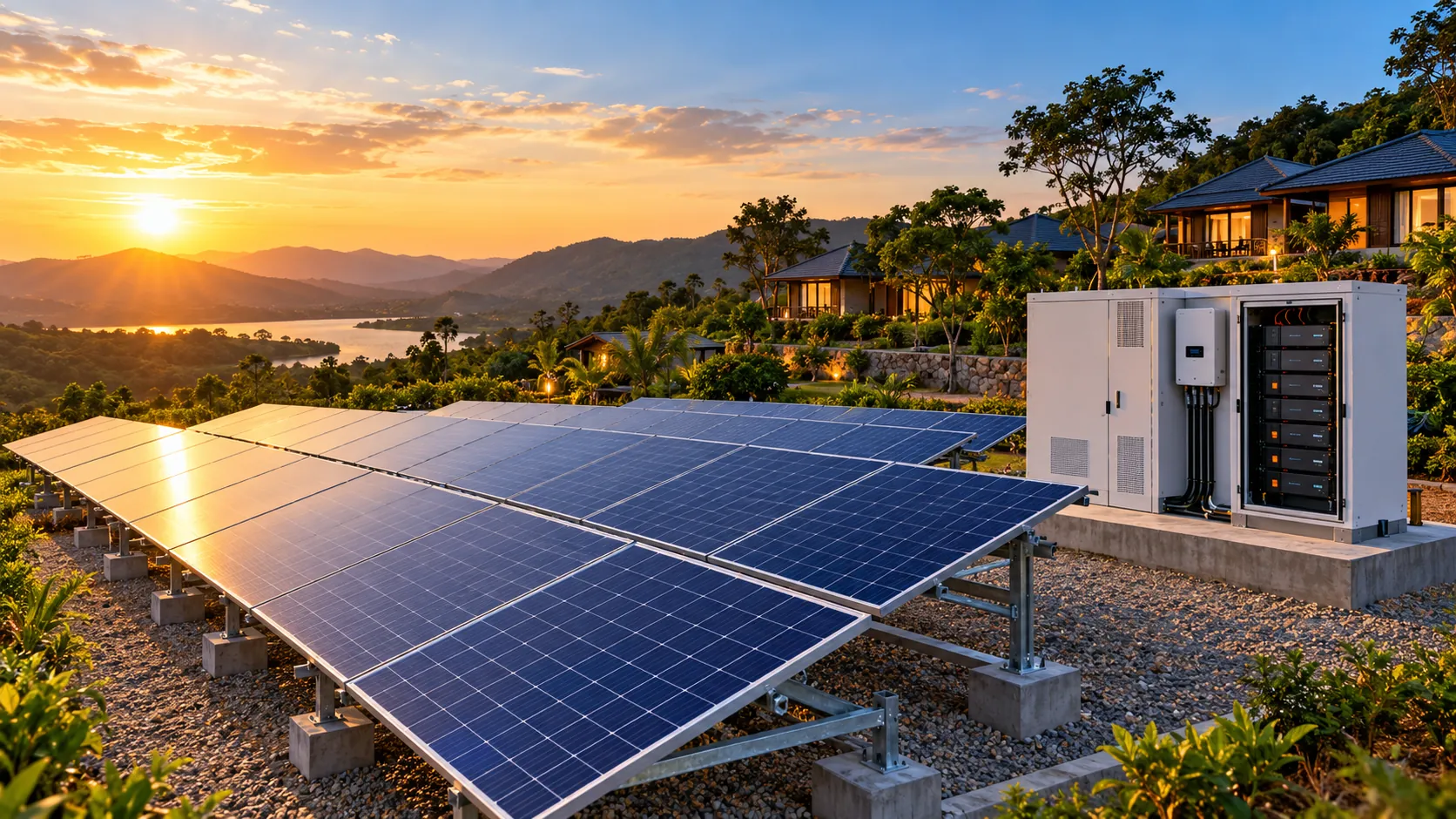
Rudhra Solar · Off-Grid Solar Power Systems
Power Beyond the Grid.
Engineered for Independence. Built for Reliability.
10 kW – 500 kW | Custom-Engineered Energy Solutions
Take control of your energy future with Rudhra Solar's custom-engineered off-grid solar power solutions.
Designed for industrial, commercial, agricultural and remote applications, our systems integrate high-efficiency solar modules, advanced battery storage, reliable power conversion and intelligent energy management.
From 10 kW to 500 kW, every solution is engineered around your power requirements, operating conditions and long-term energy objectives.
- System size
- 10–500 kW
- Design
- Custom-engineered
- Architecture
- Solar + battery storage
- Battery backup
- 4 h to 48 h and more
The problem
Power cuts stop business. Diesel keeps it running, at the highest cost per unit you pay.
- cost of each unit (kWh) of electricity from a diesel genset in India
- ₹25–40cost of each unit (kWh) of electricity from a diesel genset in India
- of a diesel genset's lifetime cost is fuel
- ~80%of a diesel genset's lifetime cost is fuel
- of Indian firms reported electrical outages in the World Bank Enterprise Survey
- 55%of Indian firms reported electrical outages in the World Bank Enterprise Survey
- limit on non-exempt diesel gensets in Delhi-NCR under GRAP
- 2 h/daylimit on non-exempt diesel gensets in Delhi-NCR under GRAP
Unreliable or no grid supply
Outages, voltage swings and remote sites without a connection stop operations, spoil stock and frustrate guests and staff.
Diesel is the most expensive power you buy
Generator power typically costs several times the commercial grid tariff, and the fuel bill keeps rising with every running hour.
Tighter rules on generators
Stricter CPCB IV+ emission norms raise the cost of new gensets, and running limits already apply in Delhi-NCR during pollution episodes.
Noise, fumes and fuel logistics
Generators bring noise, exhaust, fuel storage and theft risk, and need regular oil changes, filters and overhauls.
How it works
Your own power plant: generate by day, store for the night.
01Solar PV
High-efficiency modules generate DC power from sunlight.
02Power conversion & control
MPPT charging, inverter and energy management route power between panels, battery and loads.
03Battery storage
Charges from the surplus and supplies the site at night and in cloudy hours.
04Electrical loads
Stable AC power for lighting, pumps, cold rooms, IT and machinery.
- Optional: generator integration for backup charging, and remote monitoring.
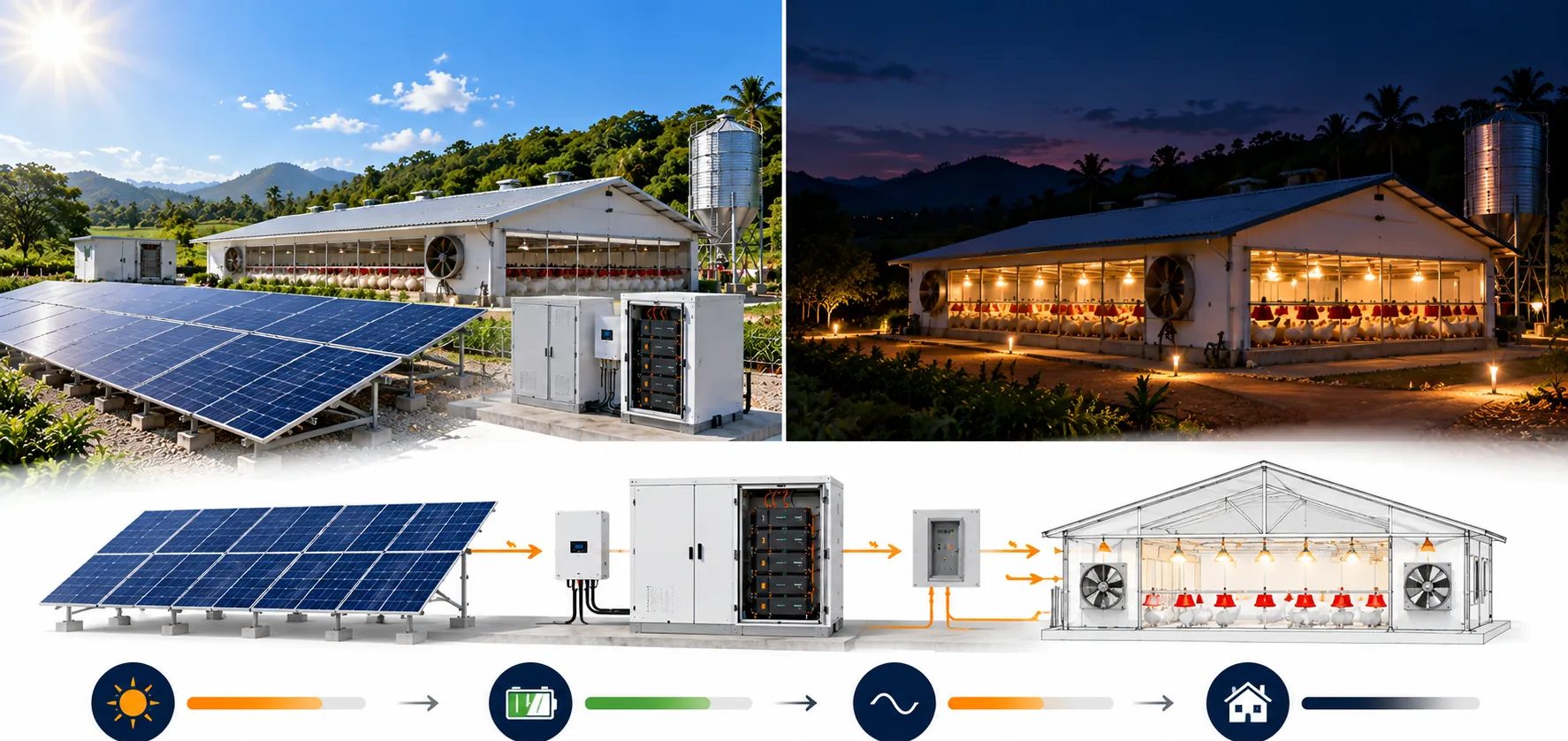
By day
The solar array runs your loads directly and charges the batteries with the surplus.
At night
The battery bank takes over through the inverter, with no generator running.
Long cloudy spells
An existing generator can be integrated as a backup to recharge the batteries when needed.
Battery backup
From 4 hours to 48 hours and beyond.
Storage is sized to how long your site must run without sun. Choose a backup window, and our engineers size the battery bank and inverter to match your loads.
4 h
Evening cover
Carries lighting, IT and essential loads through the evening after sunset.
12 h
Through the night
Runs night-time loads until the panels start charging again the next morning.
24 h
A full day in reserve
A complete day of operation stored, for sites that cannot pause on a dull day.
48 h+
Multi-day autonomy
Two days or more for remote and critical sites that must ride through cloudy spells.
Bars show each backup window on a 48-hour scale. Longer autonomy is available on request.
Economics
Diesel is cheap to buy and expensive to run. Solar is the opposite.
- Running cost
- Diesel₹25–40 per kWh, mostly fuelSolarNo fuel; sunlight is free
- Cost certainty
- DieselMoves with diesel pricesSolarMostly fixed at installation
- Upfront cost
- DieselLowerSolarHigher; recovered through avoided fuel
- Noise and exhaust
- DieselEngine noise, exhaust fumesSolarSilent, no on-site emissions
- Regulation
- DieselEmission norms and running limitsSolarNot affected by genset rules
- Maintenance
- DieselOil, filters, overhauls at 10,000–20,000 hSolarPanel cleaning and system checks
Diesel figures are published industry data, not Rudhra Solar performance claims. Battery autonomy, diesel savings and payback are design-dependent estimates confirmed in your proposal.
Every solar unit replaces a diesel unit
Each kWh the system supplies is a kWh your generator does not produce at ₹25–40. The more hours your genset runs today, the faster the investment returns.
Storage has never cost less
BloombergNEF reports stationary-storage battery packs at $70/kWh in 2025, 45% lower than a year earlier.
Tax depreciation
Solar power generating systems are listed at a 40% depreciation rate under India's income-tax rules. Confirm eligibility with your tax adviser.
Why off-grid solar
What changes for your business
Power on your terms
Run your site independently of grid outages, or where no grid connection exists.
Lower running costs
Replace diesel units with solar units and cut the largest cost of generator power: fuel.
Predictable energy cost
Most of the cost is fixed at installation, so budgets no longer move with fuel prices.
Clean and quiet
No engine noise or exhaust for guests, patients, students or livestock.
Scales with you
Engineered from 10 kW to 500 kW, with room to add panels and storage as demand grows.
Engineered, not off the shelf
Every system is designed against your measured load profile, site and backup needs.
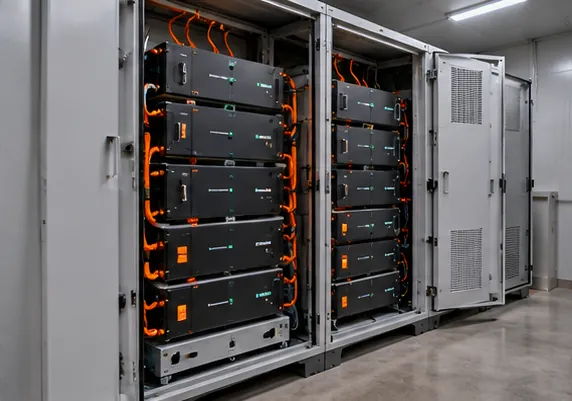
Why Rudhra Solar?
One team from load study to lifetime service.
- Application-specific engineering
- Integrated solar generation and energy storage
- Scalable system architecture
- Smart monitoring and control options
- Professional installation and commissioning
- Service and maintenance support
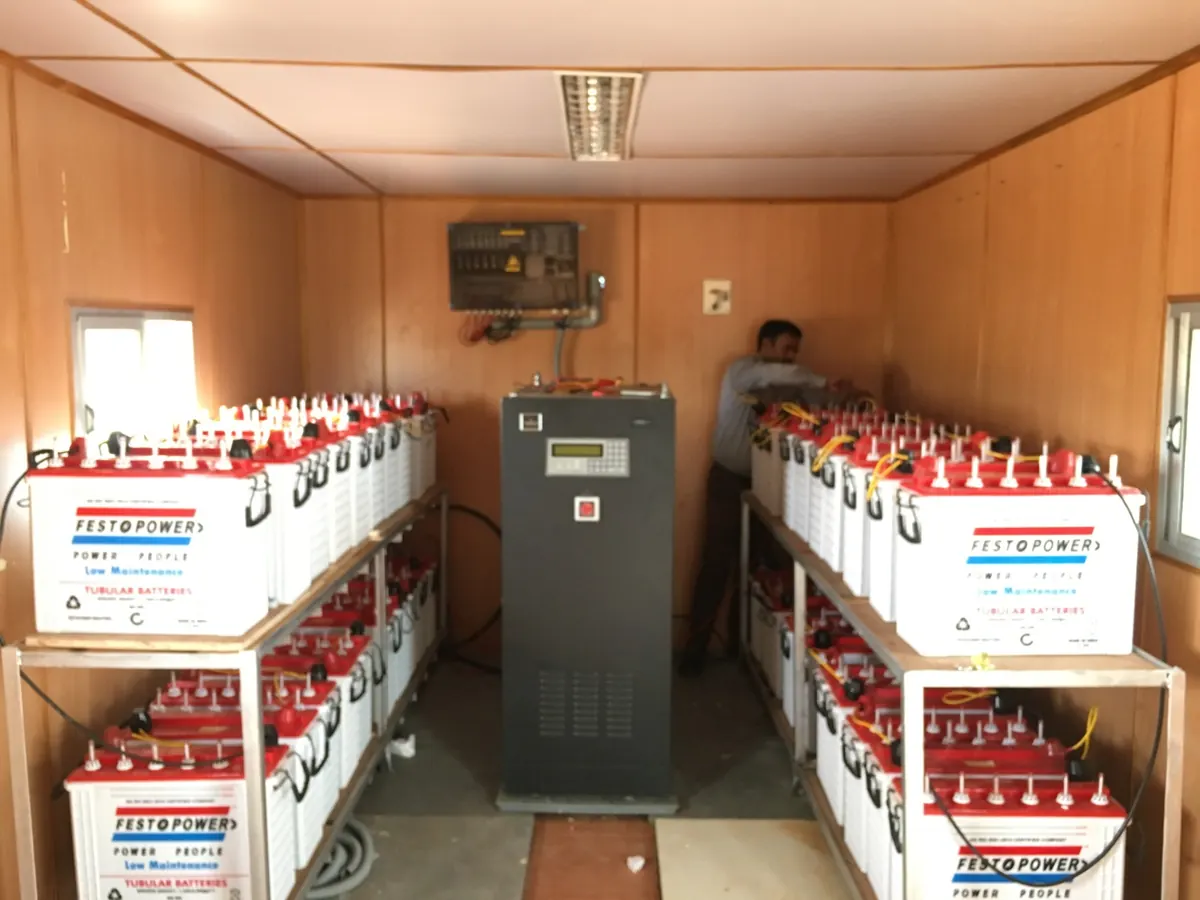
From our installations
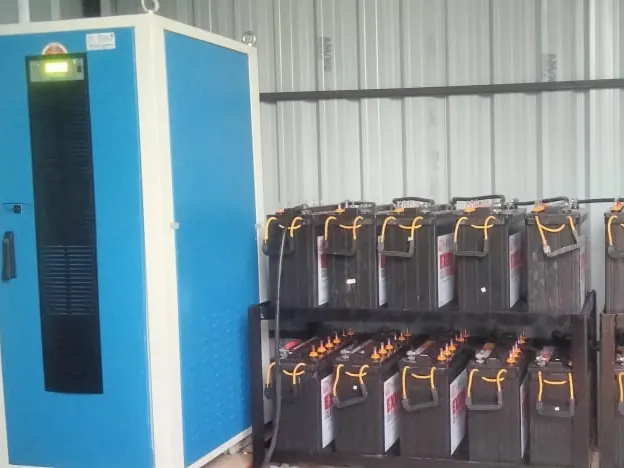
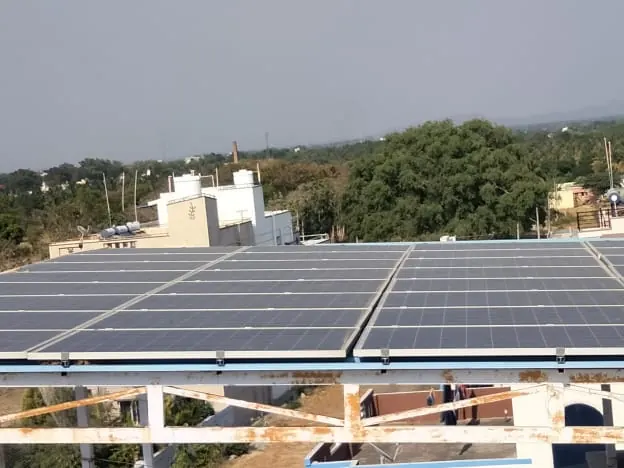
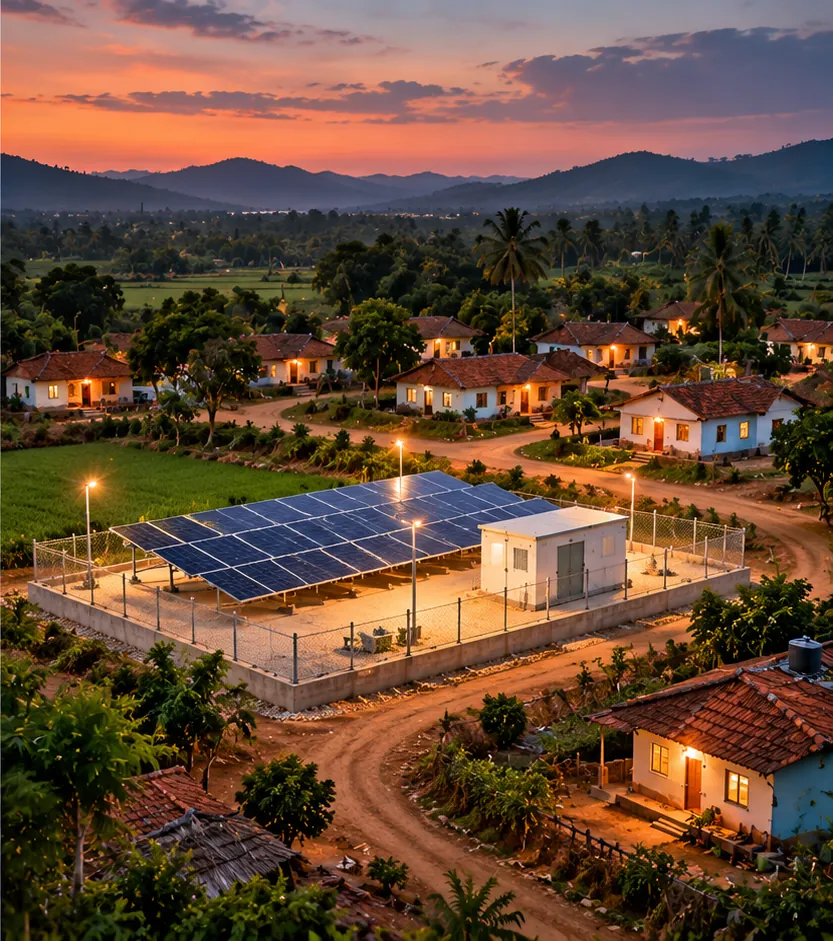
Rudhra off-grid systems in the field
Applications
Built for sites that cannot wait for the grid
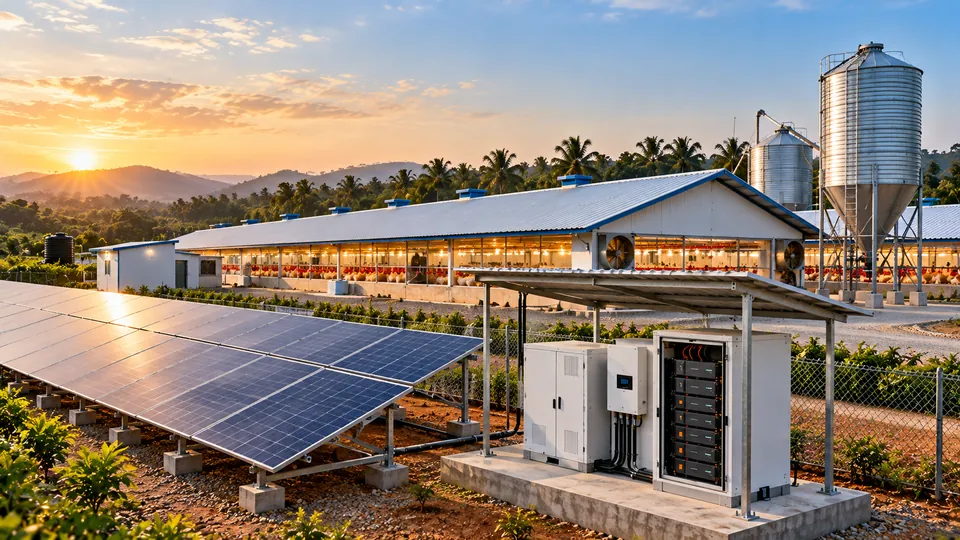
Industrial facilities
Process loads, lighting and controls for plants and sheds where grid supply is weak or generators run for hours.
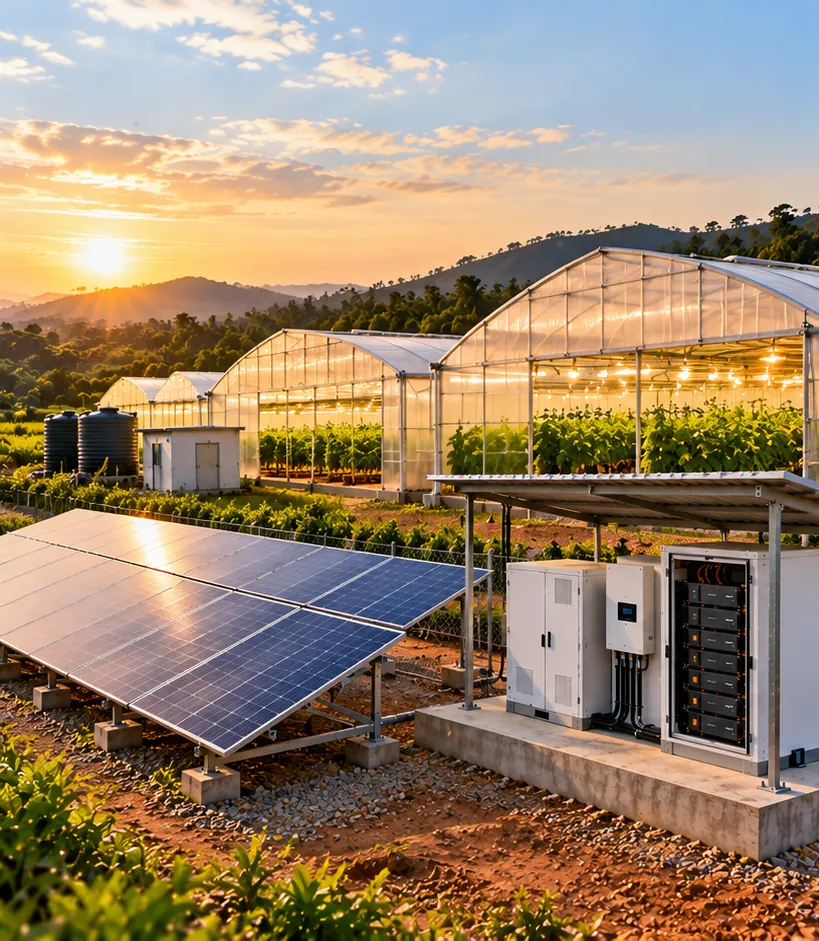
Agriculture
Greenhouses, poultry, pumps and cold storage at farms far from reliable supply.
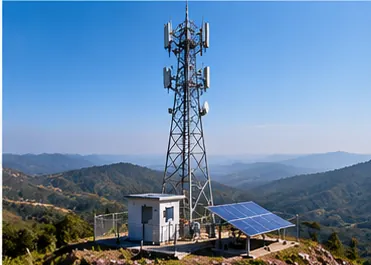
Remote infrastructure
Telecom towers, monitoring stations and remote assets that today depend on diesel.
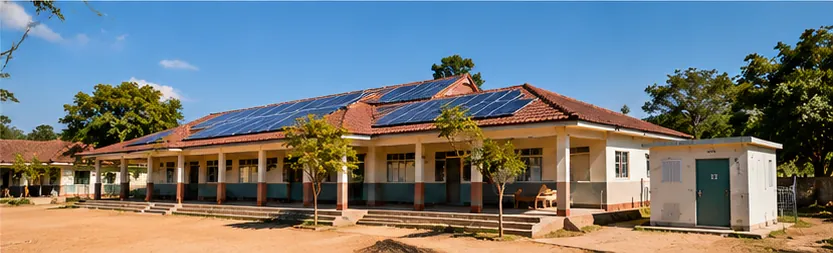
Institutions
Schools, hostels and healthcare centres that cannot afford interruptions.
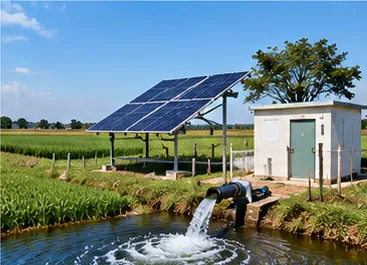
Water treatment plants
Pumps, blowers and controls for treatment and reuse plants at remote or grid-weak sites.
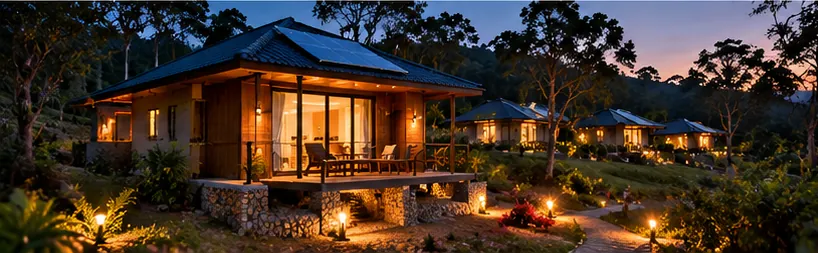
Commercial facilities
Resorts, hotels and commercial sites where guests notice every generator hour.
Our process
Engineered against your real load, not a catalogue size
- 1
Load and consumption study
We measure what runs, when and for how long, including peak and starting loads.
- 2
Site and solar resource assessment
Roof or ground area, shading, orientation and the site's solar resource.
- 3
Storage and autonomy design
Battery capacity and inverter sizing for your backup hours and autonomy days.
- 4
Proposal and engineering review
A detailed design, bill of materials and site-specific economics for your approval.
FAQ
Common questions
How is off-grid different from a grid-connected system?
An off-grid system runs independently on its own solar generation and batteries, so outages do not affect it. A grid-connected system depends on the utility supply and shuts down when the grid fails. Where a generator already exists, it can be integrated into the off-grid system as a backup.
How much will we save?
It depends on how many units your generator produces today and what you pay for diesel. Our proposal includes a site-specific comparison of your current energy cost and the solar system.
Can it run pumps, motors and air conditioners?
Yes, when the inverter and battery are sized for them. The load study captures starting currents so motors and compressors start reliably.
Can we keep our existing generator?
Yes. A generator can be integrated as a backup for long cloudy spells, running far fewer hours than today.
How much battery backup do we need?
It depends on your evening and night loads and how many days of autonomy you want. We size storage to your load profile rather than a fixed rule.
Your Power. Your Independence.
Tell us what you need to power. We'll help engineer the right off-grid solution.
System design, battery autonomy and performance are subject to site assessment, energy consumption and approved technical specifications.
Request a Proposal
Submit your project requirements.
Our engineers review every requirement and respond with a site-specific design and cost comparison. We do not generate automated system sizing.
Chat with an engineer on WhatsApp